




When a home problem appears at the worst possible moment, the hardest part is often not knowing what needs fixing but finding someone dependable to handle it. آچاره خدمات و تعمیرات در منزل is designed around that exact need, bringing household services such as cleaning, repairs, and moving help into one app. I see it as a practical House & Home tool for people who would rather organize a request digitally than search through scattered contacts and make several phone calls.
My overall impression is that the app is most useful when convenience and coordination matter more than browsing a huge marketplace. It is free to use, aimed at Everyone, and developed by Sana Gostar Sabz. Its public store presence shows more than a million installs and an average rating of 3.9 from around three thousand ratings, which suggests that many people have found a reason to keep it available even though the experience is not perfect for every household.
How the app feels to use in everyday home situations
Readability and navigation at the moment you need help
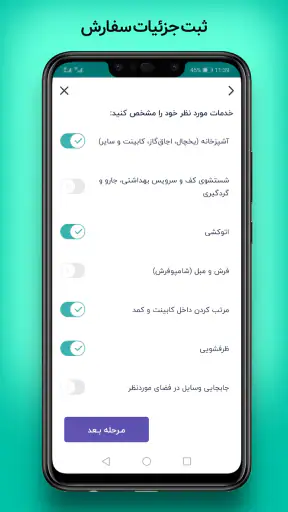
The central idea is easy to understand: choose the kind of household assistance you need and move toward arranging it from your phone. That is a more focused starting point than opening a general search engine and trying to decide which local result is trustworthy. For someone dealing with a leaking fixture, a messy home before guests arrive, or an upcoming move, having cleaning, repair, and relocation needs gathered under one service is genuinely convenient.
I especially appreciate the way this type of app can reduce the mental load before a service visit. Instead of explaining the same problem to several unrelated businesses, I can begin with a category that matches the task. That matters for people who are tired, busy, unfamiliar with technical terms, or simply not confident about describing a household issue. A clear service choice can be more helpful than a long list of provider names.
At the same time, an app like this is only as accessible as its wording and ordering flow. Household problems do not always fit neatly into one label. A person may know that something is wrong without knowing whether it belongs under plumbing, general repair, appliance work, or another group. My practical advice is to describe the visible symptom rather than guessing the technical cause. “Water is collecting under the sink” is more useful than choosing a repair type based on a guess.
For older users or anyone who finds small interface text tiring, the most comfortable approach is to use the phone’s own display and text-size settings before starting. I would also avoid beginning a request while rushing between tasks. Taking a moment to read each screen carefully helps prevent selecting the wrong service or overlooking an important detail about the visit.
The app’s Persian identity is also important to its usability. For Persian-speaking households, receiving a home-service experience in a familiar language can remove a barrier that general international platforms often leave untouched. That is not a minor detail: when the subject is a repair, cleaning arrangement, or move, misunderstandings can affect access to the home, the work expected, and the time available.
Motor, visual, hearing, and sensory considerations
Using a mobile service app can be easier than making repeated phone calls for people with limited hand movement, speech difficulties, or hearing-related barriers. A written request gives the user a chance to explain the situation without having to communicate quickly in a live conversation. It can also be useful for someone who prefers to review details privately before committing to a service request.
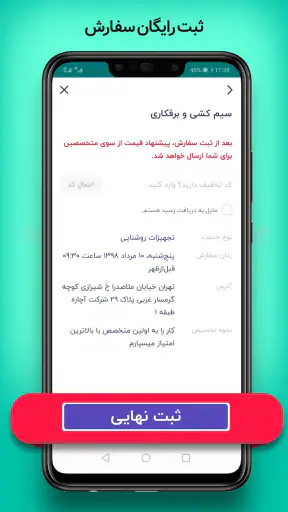
There is a trade-off, though. A phone-based workflow still asks the user to tap accurately, read service labels, type a description, and possibly manage follow-up communication. Those steps may be tiring for people with tremors, reduced dexterity, low vision, or cognitive fatigue. I would prepare the essential information in a short note first: the address area, the problem, the preferred time, and any access instructions. Copying from that note reduces repeated typing and makes the request less stressful.
For users with low vision, the most useful support may come from the operating system rather than from the app itself. Screen magnification, larger text, high-contrast settings, and a screen reader can make the phone easier to operate, but the quality of that experience depends on how the app labels its controls and presents its content. I would recommend testing the first few screens before relying on it for an urgent repair. If a key action is difficult to identify with your preferred assistive setting, a trusted family member may need to help with the initial booking.
People who are sensitive to visual clutter may also benefit from handling one request at a time. A moving request can involve many details, while a cleaning appointment may feel simpler. Separating those tasks avoids mixing instructions and makes it easier to check whether the selected service reflects what is actually needed.
For users who are deaf or hard of hearing, written communication is potentially one of the strongest reasons to prefer an app-based request over a phone-first alternative. Still, a service visit may involve later contact, arrival coordination, or clarification. I would place important instructions in writing wherever possible and avoid assuming that a missed call can be handled easily. The app can make the first step more manageable, but the entire service experience also depends on how communication continues afterward.
Situational access: who benefits most from this approach
آچاره خدمات و تعمیرات در منزل makes the most sense for people who want several kinds of household help in one place. A renter who needs a repair but does not know local tradespeople can start here. A family preparing for a move can look for moving-related help instead of assembling a list from social media posts. Someone returning home after a long day may prefer arranging cleaning digitally rather than spending the evening making calls.
One realistic example is a person preparing for relatives to arrive while also dealing with a small home fault. They may need cleaning first and a repair soon afterward. Using a service platform can help them think in terms of separate tasks rather than treating the whole situation as an emergency. I would create the cleaning request with clear room priorities, then describe the repair separately, including what is happening and what is not happening. That separation gives the provider a clearer picture and helps the user notice whether the requested service actually matches the problem.
The app may also suit people who have recently moved to a new area. Established residents often have personal recommendations, but newcomers may not. A dedicated home-service app offers a more structured alternative to asking several neighbors or searching through informal listings. It is not automatically a guarantee of a perfect result, but it gives the user a single starting point instead of an unorganized search.
Caregivers can find the same structure useful. Arranging cleaning or repairs for a parent, relative, or person with limited mobility is easier when the request can be prepared from another location. Before booking, I would confirm who will be present, how the worker should enter, and whether the person receiving the service can communicate comfortably. The app may simplify the arrangement, but it does not remove the need for a safe handoff plan.
For someone with limited internet confidence, the app can be less intimidating than calling several unfamiliar businesses, but only if the service categories make sense to them. I would recommend completing a non-urgent request first, when there is time to read everything carefully. That creates familiarity before the user has to arrange urgent assistance.
Where it compares well with ordinary alternatives
The usual alternatives are personal recommendations, local classified listings, search results, or direct calls to individual businesses. Each has a strength. A trusted neighbor may provide a recommendation based on firsthand experience, while a direct call can be faster when the issue is unusual and requires immediate explanation. Search engines offer breadth, but they can also produce a confusing mix of businesses, advertisements, and outdated information.
The advantage of this app is concentration. Cleaning, repairs, and moving support belong to the same household context, so the user does not need to change completely different tools for every domestic task. That is particularly helpful for people who find repeated account creation, unfamiliar layouts, or long searches difficult. The app’s focus can make the first decision simpler.
The disadvantage is that a general platform may not be the best match for a highly specialized problem or a job that requires a very specific local expert. If I already have a trusted technician for a delicate appliance or an unusual renovation task, I would contact that person directly rather than assuming a broad home-service app is the best route. Likewise, for a serious emergency involving immediate danger, I would use the appropriate emergency channel first instead of treating an app booking as a rapid-response service.
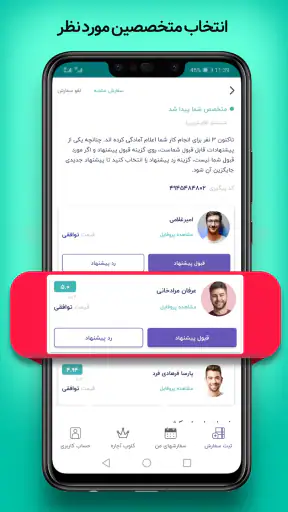
Personal recommendations also have a human advantage: someone can explain why a provider suited a particular home, budget, schedule, or communication need. An app can organize the request, but it cannot replace the judgment of a person who knows the worker and the household. I see the platform as a useful bridge between complete guesswork and a fully personal referral, not as a reason to ignore trusted local knowledge.
Practical habits that make the experience more inclusive
My first tip is to prepare a short, plain-language description before opening the app. Include the location within the home, the visible symptom, when it began, and whether the issue is getting worse. Avoid filling the request with guesses about the cause. This is especially helpful for users who find live explanations difficult or who need extra time to organize their thoughts.
My second tip is to treat access instructions as part of the service request, not as an afterthought. If the user has mobility limitations, needs someone to knock rather than call, cannot answer quickly, or requires a clear path through the home, those practical details should be written down as early as the app allows. They can prevent a service visit from failing for reasons unrelated to the actual repair or cleaning.
My third tip is to use a staged workflow for large jobs. Moving services can involve packing, carrying, transport, and arrival coordination, while cleaning may involve several rooms and different priorities. I would list the essential task first, keep optional work separate, and review the request before submitting it. This reduces cognitive overload and makes it easier for another person to help check the details.
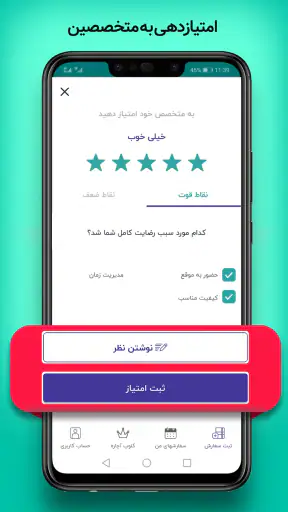
A fourth useful habit is to keep a written record of the request and any agreed instructions. This is valuable for users with memory difficulties, for caregivers arranging work remotely, and for households where more than one person manages appointments. It also makes later clarification easier than relying on memory after a busy day.
Remaining barriers and situations where I would choose something else
The biggest limitation is that digital access does not equal complete access. A user may be able to open the app but still struggle with reading, typing, service classification, follow-up communication, or preparing the home for a visit. Someone with severe visual or motor limitations may need assistance from another person for the booking, even if the app is more convenient than a phone call.
There is also a trust barrier that affects almost every service marketplace. The user is inviting a worker into a private space, so the decision involves more than selecting a category. I would not hand over keys casually, and I would arrange for another household member, neighbor, or caregiver to be present when appropriate. This is particularly important for older adults, people living alone, and anyone who feels vulnerable during in-home appointments.
Another friction point is uncertainty around the exact scope of work. A short description may not capture everything a provider needs to know. If the issue is complicated, I would take clear notes about what has already been tried and what must not be touched. For cleaning, I would identify priority areas rather than assuming every room needs identical attention. For moving, I would separate fragile, heavy, and access-sensitive items in the description.
I would skip this app when the job is urgent in a way that cannot wait for ordinary service coordination, when I already have a specialist I trust, or when the required work is too unusual to fit comfortably into a household-service category. I would also avoid using it as the only plan for a person who cannot independently manage arrival communication unless a caregiver is available to support the process.
My inclusive verdict on the home-service experience
آچاره خدمات و تعمیرات در منزل is a sensible choice for people who want a single, familiar starting point for cleaning, repairs, and moving help. Its strongest quality is not that it eliminates every difficulty, but that it turns a scattered household search into a more organized digital task. For Persian-speaking users, that focus can make the experience feel more approachable than relying on unrelated listings or repeated calls.
I would recommend it to renters, busy families, newcomers, caregivers, and anyone who values written preparation over searching for individual providers. I would be more cautious for people with major accessibility needs, highly specialized repair requirements, or urgent safety problems. In those cases, the app may still help with planning, but another route can be more suitable for the actual service.
The app is free and carries an Everyone age rating, so it is easy to consider as a household utility rather than a niche professional tool. It was released on August 7, 2017, and its continued presence alongside its broad install base suggests that the basic idea remains relevant. My honest recommendation is to use it deliberately: describe the task plainly, prepare access details, keep a written record, and involve a trusted person when the visit or communication may be difficult.
For me, the deciding question is simple: do you need a convenient place to begin arranging ordinary home help, or do you need a specialist, an emergency response, or a deeply personal referral? If it is the first, this app is worth trying. Its real value is the reduction of coordination effort, especially when household needs and individual abilities do not fit neatly into a phone call.


